Yep, we may get a tiny thank-you (read: commission) when you buy through
links on Gadgetspotr — not enough for a yacht, but enough to keep the lights (and
servers) on.
Learn more
42
Highlights
67
Differences
7
Reactions
0
Likes
Bambu Lab X1C
vs
QIDI Max4:
42 Highlights & 67 Differences —
So, Which 3D Printer Actually Works Better
Understand which printer suits your printing style: high-tech versatility or roomy capacity.
What sets Bambu Lab X1C apart from QIDI Max4? This 3d printers face-off compares specs like width, weight, folded width & folded height and beyond.
Bambu Lab X1 Carbon vs QIDI Max4: A Detailed 3D Printer Showdown
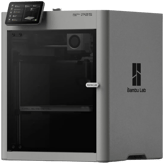
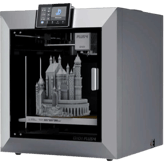
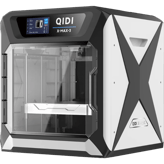
When it comes to cutting-edge FDM/FFF 3D printers, the Bambu Lab X1 Carbon (X1C) and QIDI Max4 stand out as powerful contenders in the consumer and professional markets. Both machines feature a CoreXY frame architecture, closed enclosures with carbon filtration, touchscreen interfaces, and advanced printing capabilities designed for prototyping and engineering. Despite these foundational similarities, the two take significantly different routes in speed, print volume, and feature sets. The X1 Carbon leans heavily toward high-speed multi-material versatility and compactness, whereas the Max4 champions a much larger build volume and straightforward single-material printing utility.
Speed and Sophistication: What Makes the Bambu Lab X1C a Power Player
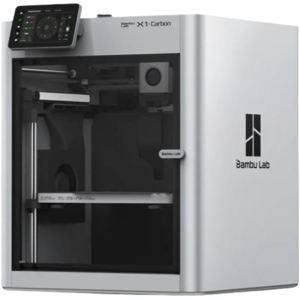
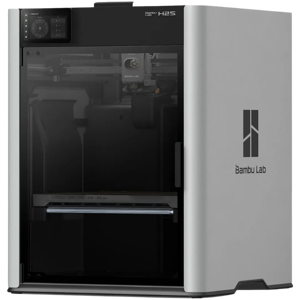
The Bambu Lab X1 Carbon is a standout for users seeking rapid production and expansive material options, all wrapped in a sleek, compact form factor. Weighing approximately 31.1 pounds and with overall printer dimensions of roughly 15.31 x 15.31 x 17.99 inches, this printer fits snugly on desktop setups, unlike the more sizable Max4. Its official max print speed reaches an impressive 500 mm/s, with real-world effective speeds matching that figure, enabling a 17-minute Benchy print, which is notably quicker than the Max4's 20 minutes.
Multimaterial capabilities are a key differentiator. The X1C supports up to 16 different filaments, including PLA, ABS, PETG, Nylon, TPU, Carbon Fiber, and even biocompatible materials. This versatility is enhanced by features such as a built-in filament dry box, auto-loading, and quick-swap nozzles. Its modular toolhead system allows for additional functions like laser etching, CNC milling, and plotting, a rare offering for professional users looking to expand beyond 3D printing alone.
The X1C also shines in connectivity and professional-grade controls, boasting Wi-Fi and cloud integration, remote monitoring, multi-printer fleet management, and a dedicated mobile app. Its UL, CE, and FCC certifications underpin an array of safety measures, including enclosure locks, child lock modes, and emergency shutdown protocols. Predictive maintenance alerts and self-diagnostics ensure optimized uptime, catering well to professional and enterprise settings.
Meet the QIDI Max4: The Premium Build Volume Specialist
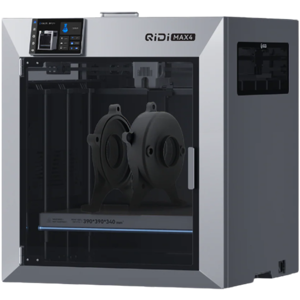
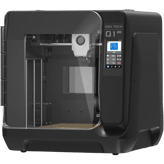
On the flip side, the QIDI Max4 carves its niche by delivering a substantially larger build volume of 4843 cm³, over four times the space of the X1C's 1023.77 cm³. This ample print area (approximately 15.35 x 15.35 x 13.39 inches) suits users looking to print larger objects or multiple parts simultaneously. The dimensions of the Max4, the machine measuring over 21 x 22 x 24 inches, require more dedicated workspace but reward with scale.
In print performance, the Max4 operates at a respectable official speed of 180 mm/s, with effective speeds measured near 300 mm/s. It maintains solid print accuracy ratings of 100 and offers important features like auto bed leveling, filament runout detection, and power loss recovery to prevent print failures. The build chamber features heating up to 149°F, improving adhesion and print quality for more challenging filaments.
While the Max4 supports only carbon fiber filament, requiring pre-print drying and single-material printing, it maintains simplicity, which is valuable to users who do not demand multi-material complexity. Network connectivity is limited to LAN, and while remote monitoring and firmware updates are supported, cloud functionalities and mobile apps are absent. Safety features cover essentials, with an emergency stop button and overheat protection, but there's no child lock or enclosure lock for enhanced security.
The Max4 consumes more power at 1350W compared to the X1C's 1000W and supports a broader operating humidity range (20%-80%). Idle power draw is documented at 15W, which may matter for extended startups or dormancy periods.
Quick Take: Why Choose Each?
The Bambu Lab X1 Carbon impresses with a high-speed, dynamic printing experience plus a broad material compatibility and advanced professional features such as multi-material workflow and fleet management. Meanwhile, the QIDI Max4's massive build volume and solid print accuracy make it perfect when size and reliability are the prime concerns, without the need for cloud tech or multiple materials.
Bottom Line: Cutting-Edge Versatility vs Size and Simplicity
In balancing speed, materials, and connectivity, the Bambu Lab X1 Carbon emerges as the more versatile and future-proof solution. It fits well in professional or demanding enthusiast environments where time and multi-materials matter. However, if your projects require very large prints or you prefer a simpler, cost-effective machine primarily for single-material runs, the QIDI Max4 remains suitable. Ultimately, your choice hinges on whether you prioritize expansive build volume or cutting-edge high-speed performance and modularity.
Verdict
Winner: Bambu Lab X1 Carbon; for outstanding speed, multi-material flexibility, modular hardware, and professional connectivity features.
Runner-up: QIDI Max4; best for larger build volume requirements and straightforward single-material printing at a lower price point.
The printer offers an upgrade path, indicating that it can be enhanced or expanded with future components or features.
Whether the printer can be expanded with official or third-party upgrades.
In the battle of Upgrade Path,
Bambu Lab X1C ◉ is
same as
QIDI Max4 ◉
.
Don’t keep it to yourself — be the first to react and review the
Upgrade Path on Bambu Lab X1C ◉
vs QIDI Max4 ◉ and help others decide!
Target User Level
What is the target user level?
0
Bambu Lab X1C
0Votes
Beginner, Intermediate, Advanced, Professional
0
QIDI Max4
0Votes
Advanced, Professional
vs
Target User Level
Bambu Lab X1 Carbon caters to 'Beginner, Intermediate, Advanced, Professional' users, a wider skill range than QIDI Max4, which targets 'Advanced, Professional' levels. Bambu Lab X1 Carbon is more accessible to new users.
Indicates the recommended skill level.
In the battle of Target User Level,
Bambu Lab X1C ◉ is
same as
QIDI Max4 ◉
.
Don’t keep it to yourself — be the first to react and review the
Target User Level on Bambu Lab X1C ◉
vs QIDI Max4 ◉ and help others decide!
Model Number
What is the model number?
0
Bambu Lab X1C
0Votes
X1C
0
QIDI Max4
0Votes
Max4
Bambu Lab X1C
The X1C is the model number for the Bambu Lab X1 Carbon, a flagship 3D printer known for its advanced features.
Manufacturer’s reference code for precise identification.
In the battle of Model Number,
Bambu Lab X1C ◉ is
same as
QIDI Max4 ◉
.
Don’t keep it to yourself — be the first to react and review the
Model Number on Bambu Lab X1C ◉
vs QIDI Max4 ◉ and help others decide!
Release Year
What is the release year?
0
Bambu Lab X1C
0Votes
2022
0
QIDI Max4
0Votes
2024
vs
Release Year
Bambu Lab X1 Carbon was released in 2022, while QIDI Max4 was released in 2024. The QIDI Max4 is a newer model, potentially offering more recent technology.
The year the 3D printer was first released.
In the battle of Release Year,
Bambu Lab X1C ◉ is
same as
QIDI Max4 ◉
.
Don’t keep it to yourself — be the first to react and review the
Release Year on Bambu Lab X1C ◉
vs QIDI Max4 ◉ and help others decide!
Printer Type
What type of printer is it?
0
Bambu Lab X1C
0Votes
FDM/FFF
0
QIDI Max4
0Votes
FDM/FFF
Bambu Lab X1C
The Bambu Lab X1 Carbon is an FDM/FFF (Fused Deposition Modeling/Fused Filament Fabrication) type printer, utilizing plastic filament to build objects layer by layer.
Defines the printing technology used by the machine.
In the battle of Printer Type,
Bambu Lab X1C ◉ is
same as
QIDI Max4 ◉
.
Don’t keep it to yourself — be the first to react and review the
Printer Type on Bambu Lab X1C ◉
vs QIDI Max4 ◉ and help others decide!
Intended Use
What is the intended use?
0
Bambu Lab X1C
0Votes
Consumer, Professional
0
QIDI Max4
0Votes
Consumer
vs
Intended Use
Bambu Lab X1 Carbon targets both 'Consumer, Professional' users, offering broader applicability compared to QIDI Max4, which is solely for 'Consumer' use. Bambu Lab X1 Carbon provides a wider range of intended applications.
Identifies the main user category.
In the battle of Intended Use,
Bambu Lab X1C ◉ is
same as
QIDI Max4 ◉
.
Don’t keep it to yourself — be the first to react and review the
Intended Use on Bambu Lab X1C ◉
vs QIDI Max4 ◉ and help others decide!
Supported Applications
What applications are supported?
0
Bambu Lab X1C
0Votes
Prototyping, Engineering
0
QIDI Max4
0Votes
Prototyping
Bambu Lab X1C
The X1 Carbon is ideally suited for applications in Prototyping and Engineering, delivering high-quality and precise parts efficiently.
Lists the most common applications supported.
In the battle of Supported Applications,
Bambu Lab X1C ◉ is
same as
QIDI Max4 ◉
.
Don’t keep it to yourself — be the first to react and review the
Supported Applications on Bambu Lab X1C ◉
vs QIDI Max4 ◉ and help others decide!
Assembly Type
What is the assembly type?
0
Bambu Lab X1C
0Votes
Prebuilt
0
QIDI Max4
0Votes
Prebuilt
Bambu Lab X1C
The Bambu Lab X1 Carbon is shipped Prebuilt, meaning it requires minimal assembly and is ready for use shortly after unboxing.
Shows whether the printer is sold as a kit requiring assembly or fully prebuilt.
In the battle of Assembly Type,
Bambu Lab X1C ◉ is
same as
QIDI Max4 ◉
.
Don’t keep it to yourself — be the first to react and review the
Assembly Type on Bambu Lab X1C ◉
vs QIDI Max4 ◉ and help others decide!
Warranty Period
What is the warranty period?
0
Bambu Lab X1C
0Votes
1 Year
0
QIDI Max4
0Votes
1 Year
Bambu Lab X1C
The printer comes with a standard 1 Year warranty, providing assurance and support for manufacturing defects.
Coverage period offered by the manufacturer.
In the battle of Warranty Period,
Bambu Lab X1C ◉ is
same as
QIDI Max4 ◉
.
Don’t keep it to yourself — be the first to react and review the
Warranty Period on Bambu Lab X1C ◉
vs QIDI Max4 ◉ and help others decide!
Product Name
What is the product name?
0
Bambu Lab X1C
0Votes
Bambu Lab X1 Carbon
0
QIDI Max4
0Votes
QIDI Max4
The commercial name of the 3D printer.
In the battle of Product Name,
Bambu Lab X1C ◉ is
same as
QIDI Max4 ◉
.
Don’t keep it to yourself — be the first to react and review the
Product Name on Bambu Lab X1C ◉
vs QIDI Max4 ◉ and help others decide!
Assembly Required
Is assembly required?
No
0Votes
Bambu Lab X1C
No
0Votes
QIDI Max4
States if the printer requires assembly.
In the battle of Assembly Required,
Bambu Lab X1C ◉ is
same as
QIDI Max4 ◉
.
Don’t keep it to yourself — be the first to react and review the
Assembly Required on Bambu Lab X1C ◉
vs QIDI Max4 ◉ and help others decide!
Country of Origin
What is the country of origin?
0
Bambu Lab X1C
0Votes
China
0
QIDI Max4
0Votes
China
The country where the product is designed or manufactured.
In the battle of Country of Origin,
Bambu Lab X1C ◉ is
same as
QIDI Max4 ◉
.
Don’t keep it to yourself — be the first to react and review the
Country of Origin on Bambu Lab X1C ◉
vs QIDI Max4 ◉ and help others decide!
QIDI Max4 is significantly wider at 21.97 inches (55.80 cm) than Bambu Lab X1 Carbon's 15.31 inches (38.89 cm). QIDI Max4 requires more physical space for placement.
The total external width of the printer.
In the battle of Width,
Bambu Lab X1C ◉ is
better than
QIDI Max4 ◉
, delivering
lower
6.7 inch
measurement.
Don’t keep it to yourself — be the first to react and review the
Width on Bambu Lab X1C ◉
vs QIDI Max4 ◉ and help others decide!
Who knows?
0Votes
QIDI Max4
(Help us out by suggesting one!)
vs
Weight
Bambu Lab X1 Carbon weighs 31.1 lbs (14.1 kg), while QIDI Max4's weight is not specified. Bambu Lab X1 Carbon provides clear weight information for handling and placement.
Net weight of the printer.
Don’t keep it to yourself — be the first to react and review the
Weight on Bambu Lab X1C ◉
vs QIDI Max4 ◉ and help others decide!
Who knows?
0Votes
QIDI Max4
(Help us out by suggesting one!)
total shipping weight including packaging.
Don’t keep it to yourself — be the first to react and review the
Package Weight on Bambu Lab X1C ◉
vs QIDI Max4 ◉ and help others decide!
Depth
What is the printer’s depth?
15.31
inch
0Votes
22.76
inch
0Votes
vs
Depth
QIDI Max4 is considerably deeper at 22.76 inches (57.81 cm) compared to Bambu Lab X1 Carbon's 15.31 inches (38.89 cm). QIDI Max4 has a larger footprint.
The total external depth of the printer.
In the battle of Depth,
Bambu Lab X1C ◉ is
better than
QIDI Max4 ◉
, delivering
lower
7.5 inch
measurement.
Don’t keep it to yourself — be the first to react and review the
Depth on Bambu Lab X1C ◉
vs QIDI Max4 ◉ and help others decide!
Height
What is the printer’s height?
17.99
inch
0Votes
24.09
inch
0Votes
vs
Height
QIDI Max4 is taller at 24.09 inches (61.19 cm) compared to Bambu Lab X1 Carbon's 17.99 inches (45.69 cm). QIDI Max4 may be less suitable for confined spaces.
The total external height of the printer.
In the battle of Height,
Bambu Lab X1C ◉ is
better than
QIDI Max4 ◉
, delivering
lower
6.1 inch
measurement.
Don’t keep it to yourself — be the first to react and review the
Height on Bambu Lab X1C ◉
vs QIDI Max4 ◉ and help others decide!
Package Width
What is the package width?
19.02
inch
0Votes
Who knows?
0Votes
QIDI Max4
(Help us out by suggesting one!)
Bambu Lab X1C
The package width measures 19.02 inch (48.31 cm), indicating the horizontal dimension of the shipping box.
Width of the printer’s packaging.
Don’t keep it to yourself — be the first to react and review the
Package Width on Bambu Lab X1C ◉
vs QIDI Max4 ◉ and help others decide!
Package Depth
What is the package depth?
18.23
inch
0Votes
Who knows?
0Votes
QIDI Max4
(Help us out by suggesting one!)
Bambu Lab X1C
The package depth is 18.23 inch (46.30 cm), an important measurement for shipping and storage considerations.
Depth of the printer’s packaging.
Don’t keep it to yourself — be the first to react and review the
Package Depth on Bambu Lab X1C ◉
vs QIDI Max4 ◉ and help others decide!
Package Height
What is the package height?
22.44
inch
0Votes
Who knows?
0Votes
QIDI Max4
(Help us out by suggesting one!)
Bambu Lab X1C
The package height is 22.44 inch (57.09 cm), which describes the vertical dimension of the shipping container.
Height of the printer’s packaging.
Don’t keep it to yourself — be the first to react and review the
Package Height on Bambu Lab X1C ◉
vs QIDI Max4 ◉ and help others decide!
Folded Depth
What is the folded depth?
Who knows?
0Votes
Bambu Lab X1C
(Help us out by suggesting one!)
Who knows?
0Votes
QIDI Max4
(Help us out by suggesting one!)
Depth of the printer when folded.
Don’t keep it to yourself — be the first to react and review the
Folded Depth on Bambu Lab X1C ◉
vs QIDI Max4 ◉ and help others decide!
Build-to-Printer Size Ratio
What is the build-to-printer size ratio?
Who knows?
0Votes
Bambu Lab X1C
(Help us out by suggesting one!)
36
%
0Votes
vs
Build-to-Printer Size Ratio
QIDI Max4 provides a 36% build-to-printer size ratio, a metric not available for Bambu Lab X1 Carbon. QIDI Max4 offers insight into its space utilization efficiency.
The efficiency ratio of build volume relative to the overall printer size.
Don’t keep it to yourself — be the first to react and review the
Build-to-Printer Size Ratio on Bambu Lab X1C ◉
vs QIDI Max4 ◉ and help others decide!
Space Requirement
What is the space requirement?
Who knows?
0Votes
Bambu Lab X1C
(Help us out by suggesting one!)
3.9
sq ft
0Votes
vs
Space Requirement
QIDI Max4 requires 3.9 sq ft (0.36 sq meters) of space, a specific detail not provided for Bambu Lab X1 Carbon. QIDI Max4 helps users plan for its installation footprint.
The minimum flat surface area needed to safely place the printer.
Don’t keep it to yourself — be the first to react and review the
Space Requirement on Bambu Lab X1C ◉
vs QIDI Max4 ◉ and help others decide!
Whether the printer includes an energy-saving or eco mode.
In the battle of Energy Saving Mode,
Bambu Lab X1C ◉ is
same as
QIDI Max4 ◉
.
Don’t keep it to yourself — be the first to react and review the
Energy Saving Mode on Bambu Lab X1C ◉
vs QIDI Max4 ◉ and help others decide!
Operating Temperature Range
What is the operating temperature range?
0
Bambu Lab X1C
0Votes
50-86℉
0
QIDI Max4
0Votes
59-86°F
vs
Operating Temperature Range
Bambu Lab X1 Carbon operates between 50-86℉, offering a lower minimum operating temperature than QIDI Max4's 59-86°F. Bambu Lab X1 Carbon is suitable for cooler environments.
Recommended ambient temperature range for safe operation.
In the battle of Operating Temperature Range,
Bambu Lab X1C ◉ is
same as
QIDI Max4 ◉
.
Don’t keep it to yourself — be the first to react and review the
Operating Temperature Range on Bambu Lab X1C ◉
vs QIDI Max4 ◉ and help others decide!
Power Supply Voltage
What is the required power supply voltage?
0
Bambu Lab X1C
0Votes
100-240 Volt
0
QIDI Max4
0Votes
100-240 Volt
Bambu Lab X1C
The printer supports a universal power supply voltage of 100-240 Volt, ensuring compatibility across various regions globally.
QIDI Max4
The printer operates on a universal power supply voltage range of 100-240 Volt, making it compatible with various electrical systems worldwide.
Voltage input supported by the printer’s power supply.
In the battle of Power Supply Voltage,
Bambu Lab X1C ◉ is
same as
QIDI Max4 ◉
.
Don’t keep it to yourself — be the first to react and review the
Power Supply Voltage on Bambu Lab X1C ◉
vs QIDI Max4 ◉ and help others decide!
Operating Humidity Range
What is the operating humidity range?
0
Bambu Lab X1C
0Votes
30-80%
0
QIDI Max4
0Votes
20-80%
vs
Operating Humidity Range
QIDI Max4 operates in a 20-80% humidity range, allowing for slightly drier conditions than Bambu Lab X1 Carbon's 30-80%. QIDI Max4 offers greater flexibility in operational humidity.
Acceptable humidity range during printer operation.
In the battle of Operating Humidity Range,
Bambu Lab X1C ◉ is
same as
QIDI Max4 ◉
.
Don’t keep it to yourself — be the first to react and review the
Operating Humidity Range on Bambu Lab X1C ◉
vs QIDI Max4 ◉ and help others decide!
Storage Temperature Range
What is the storage temperature range?
0
Bambu Lab X1C
0Votes
-4-104℉
0
QIDI Max4
0Votes
32-104°F
vs
Storage Temperature Range
Bambu Lab X1 Carbon can be stored from -4-104℉, indicating greater resilience to cold conditions compared to QIDI Max4's 32-104°F. Bambu Lab X1 Carbon offers more robust storage temperature tolerance.
Safe temperature range for storing the printer when not in use.
In the battle of Storage Temperature Range,
Bambu Lab X1C ◉ is
same as
QIDI Max4 ◉
.
Don’t keep it to yourself — be the first to react and review the
Storage Temperature Range on Bambu Lab X1C ◉
vs QIDI Max4 ◉ and help others decide!
Storage Humidity Range
What is the storage humidity range?
Who knows?
0Votes
Bambu Lab X1C
(Help us out by suggesting one!)
0
QIDI Max4
0Votes
10-90%
vs
Storage Humidity Range
QIDI Max4 specifies a broader storage humidity range of 10-90%, a detail not available for Bambu Lab X1 Carbon. QIDI Max4 provides more comprehensive storage environment guidance.
Safe humidity range for storing the printer.
Don’t keep it to yourself — be the first to react and review the
Storage Humidity Range on Bambu Lab X1C ◉
vs QIDI Max4 ◉ and help others decide!
Power Supply Type
What type of power supply does it use?
0
Bambu Lab X1C
0Votes
Internal
0
QIDI Max4
0Votes
Internal
Indicates whether the printer uses an internal or external power supply.
In the battle of Power Supply Type,
Bambu Lab X1C ◉ is
same as
QIDI Max4 ◉
.
Don’t keep it to yourself — be the first to react and review the
Power Supply Type on Bambu Lab X1C ◉
vs QIDI Max4 ◉ and help others decide!
Idle Power Consumption
What is the idle power consumption?
Who knows?
0Votes
Bambu Lab X1C
(Help us out by suggesting one!)
15
Watt
0Votes
vs
Idle Power Consumption
QIDI Max4 reports an idle power consumption of 15 Watt, a specific metric not available for Bambu Lab X1 Carbon. QIDI Max4 offers transparency on standby energy use.
Power drawn while the printer is on but not printing.
Don’t keep it to yourself — be the first to react and review the
Idle Power Consumption on Bambu Lab X1C ◉
vs QIDI Max4 ◉ and help others decide!
QIDI Max4 offers a significantly larger build volume of 4843 cubic inches (79.37 liters) compared to Bambu Lab X1 Carbon's 1023.77 cubic inches (16.78 liters). QIDI Max4 is better for larger parts and batch production.
total printable volume capacity.
In the battle of Build Volume,
Bambu Lab X1C ◉ is
worse than
QIDI Max4 ◉
, delivering
lower
3,819.2 cubic in
measurement.
Based on community votes for Build Volume,
Bambu Lab X1C ◉ earned
0 votes,
less than
QIDI Max4 ◉,
which got 1 votes.
The build volume on the QIDI Max4 is significantly larger, which is a big plus for bigger projects. It really opens up more possibilities for what I can print. I'd definitely lean towards the Max4 for that reason alone.
QIDI Max4 provides a broader selection of optional nozzle sizes, including 0.2mm, 0.25mm, 0.3mm, 0.4mm, 0.6mm, 0.8mm, whereas Bambu Lab X1 Carbon offers 0.2mm, 0.6mm, 0.8mm. QIDI Max4 allows for finer control over print details and specific requirements.
Alternative nozzle sizes supported.
In the battle of Optional Nozzle Sizes,
Bambu Lab X1C ◉ is
same as
QIDI Max4 ◉
.
Don’t keep it to yourself — be the first to react and review the
Optional Nozzle Sizes on Bambu Lab X1C ◉
vs QIDI Max4 ◉ and help others decide!
Filament Diameter Supported
What filament diameter is supported?
1.75
mm
0Votes
1.75
mm
0Votes
QIDI Max4
The printer supports 1.75 mm filament diameter, which is a standard size for FDM 3D printing.
The filament size compatible with printer.
In the battle of Filament Diameter Supported,
Bambu Lab X1C ◉ is
same as
QIDI Max4 ◉
, delivering
equal
1.75 mm
measurement.
Don’t keep it to yourself — be the first to react and review the
Filament Diameter Supported on Bambu Lab X1C ◉
vs QIDI Max4 ◉ and help others decide!
Max Bed Temperature
What is the max bed temperature?
248
°F
0Votes
248
°F
0Votes
Bambu Lab X1C
The heated bed can reach a maximum temperature of 248°F (120°C), crucial for printing materials that require high bed temperatures, such as ABS and ASA.
Maximum heated bed temperature.
In the battle of Max Bed Temperature,
Bambu Lab X1C ◉ is
same as
QIDI Max4 ◉
, delivering
equal
248.00 °F
measurement.
Don’t keep it to yourself — be the first to react and review the
Max Bed Temperature on Bambu Lab X1C ◉
vs QIDI Max4 ◉ and help others decide!
Number of Extruders
How many extruders does the printer have?
0
Bambu Lab X1C
0Votes
1
0
QIDI Max4
0Votes
1
QIDI Max4
This printer is equipped with 1 extruder, capable of printing with a single material at a time.
total extruders installed.
In the battle of Number of Extruders,
Bambu Lab X1C ◉ is
same as
QIDI Max4 ◉
.
Don’t keep it to yourself — be the first to react and review the
Number of Extruders on Bambu Lab X1C ◉
vs QIDI Max4 ◉ and help others decide!
Max Extruder Temperature
What is the max extruder temperature?
572
°F
0Votes
698
°F
1Votes
vs
Max Extruder Temperature
QIDI Max4 can reach a higher max extruder temperature of 698°F (370°C) compared to Bambu Lab X1 Carbon's 572°F (300°C). QIDI Max4 is better suited for printing with high-temperature and engineering filaments.
Maximum heating capability of extruder.
In the battle of Max Extruder Temperature,
Bambu Lab X1C ◉ is
worse than
QIDI Max4 ◉
, delivering
lower
126.0 °F
measurement.
Based on community votes for Max Extruder Temperature,
Bambu Lab X1C ◉ earned
0 votes,
less than
QIDI Max4 ◉,
which got 1 votes.
For printing exotic filaments, a higher max extruder temperature is a must. The QIDI Max4 clearly has the edge here, reaching up to 698°F. That extra heat range gives me more material options to work with.
See more
Chamber Temperature Control Range
What is the chamber temperature control range?
Who knows?
0Votes
Bambu Lab X1C
(Help us out by suggesting one!)
0
QIDI Max4
1Votes
Up to 149°F
vs
Chamber Temperature Control Range
QIDI Max4 specifies a chamber temperature control range of up to 149°F (65°C), a detail not provided for Bambu Lab X1 Carbon. QIDI Max4 gives clear information on its heated chamber capabilities.
Range of temperatures the printer chamber can maintain
Based on community votes for Chamber Temperature Control Range,
Bambu Lab X1C ◉ earned
0 votes,
less than
QIDI Max4 ◉,
which got 1 votes.
Having an explicitly stated chamber temperature control range, like the QIDI Max4's up to 149°F, is a big deal for consistent prints. It helps prevent warping and ensures better quality with sensitive filaments. This precise control is something I really value.
See more
Build Width
What is the build width?
10.08
inch
0Votes
15.35
inch
0Votes
Maximum printable width of the build area.
In the battle of Build Width,
Bambu Lab X1C ◉ is
worse than
QIDI Max4 ◉
, delivering
lower
5.3 inch
measurement.
Don’t keep it to yourself — be the first to react and review the
Build Width on Bambu Lab X1C ◉
vs QIDI Max4 ◉ and help others decide!
Layer Resolution Maximum
What is the maximum layer resolution?
500
microns
0Votes
300
microns
0Votes
vs
Layer Resolution Maximum
Bambu Lab X1 Carbon has a maximum layer resolution of 500 microns, offering a wider range for layer thickness than QIDI Max4's 300 microns. Bambu Lab X1 Carbon provides more flexibility for rougher, faster prints.
Thickest layer height achievable.
In the battle of Layer Resolution Maximum,
Bambu Lab X1C ◉ is
better than
QIDI Max4 ◉
, delivering
higher
200.0 microns
measurement.
Don’t keep it to yourself — be the first to react and review the
Layer Resolution Maximum on Bambu Lab X1C ◉
vs QIDI Max4 ◉ and help others decide!
Min Extruder Temperature
What is the min extruder temperature?
356
°F
0Votes
68
°F
0Votes
vs
Min Extruder Temperature
QIDI Max4 has a much lower minimum extruder temperature of 68°F (20°C) compared to Bambu Lab X1 Carbon's 356°F (180°C). QIDI Max4 offers greater flexibility for specific low-temperature materials.
Lowest operable extruder temperature.
In the battle of Min Extruder Temperature,
Bambu Lab X1C ◉ is
worse than
QIDI Max4 ◉
, delivering
higher
288.0 °F
measurement.
Don’t keep it to yourself — be the first to react and review the
Min Extruder Temperature on Bambu Lab X1C ◉
vs QIDI Max4 ◉ and help others decide!
Bed Temperature Gradient
What is the bed temperature gradient?
Who knows?
0Votes
Bambu Lab X1C
(Help us out by suggesting one!)
18
°F
0Votes
vs
Bed Temperature Gradient
QIDI Max4 reports a bed temperature gradient of 18°F, a specific metric for bed heating consistency not available for Bambu Lab X1 Carbon. QIDI Max4 provides more detail on its heating performance.
Variance in heat across the bed surface.
Don’t keep it to yourself — be the first to react and review the
Bed Temperature Gradient on Bambu Lab X1C ◉
vs QIDI Max4 ◉ and help others decide!
Heated Chamber
Does the printer have a heated chamber?
Yes
0Votes
Bambu Lab X1C
Yes
0Votes
QIDI Max4
Whether the printer has a heated build chamber.
In the battle of Heated Chamber,
Bambu Lab X1C ◉ is
same as
QIDI Max4 ◉
.
Don’t keep it to yourself — be the first to react and review the
Heated Chamber on Bambu Lab X1C ◉
vs QIDI Max4 ◉ and help others decide!
Dual Extruders
Does it support dual extruders?
No
0Votes
Bambu Lab X1C
No
0Votes
QIDI Max4
Indicates if printer can run dual extruders.
In the battle of Dual Extruders,
Bambu Lab X1C ◉ is
same as
QIDI Max4 ◉
.
Don’t keep it to yourself — be the first to react and review the
Dual Extruders on Bambu Lab X1C ◉
vs QIDI Max4 ◉ and help others decide!
Independent Dual Extruder
Does it have IDEX support?
No
0Votes
Bambu Lab X1C
No
0Votes
QIDI Max4
Whether the printer supports independent extruder heads.
In the battle of Independent Dual Extruder,
Bambu Lab X1C ◉ is
same as
QIDI Max4 ◉
.
Don’t keep it to yourself — be the first to react and review the
Independent Dual Extruder on Bambu Lab X1C ◉
vs QIDI Max4 ◉ and help others decide!
Quick-Swap Nozzles
Does it have quick-swap nozzles?
Yes
0Votes
Bambu Lab X1C
Yes
0Votes
QIDI Max4
Nozzles can be quickly swapped without tools.
In the battle of Quick-Swap Nozzles,
Bambu Lab X1C ◉ is
same as
QIDI Max4 ◉
.
Don’t keep it to yourself — be the first to react and review the
Quick-Swap Nozzles on Bambu Lab X1C ◉
vs QIDI Max4 ◉ and help others decide!
Extruder Drive Type
What type of extruder drive does it use?
0
Bambu Lab X1C
0Votes
Direct Drive
0
QIDI Max4
0Votes
Direct Drive
The type of filament feeding system.
In the battle of Extruder Drive Type,
Bambu Lab X1C ◉ is
same as
QIDI Max4 ◉
.
Don’t keep it to yourself — be the first to react and review the
Extruder Drive Type on Bambu Lab X1C ◉
vs QIDI Max4 ◉ and help others decide!
QIDI Max4 states that filament drying is required, a detail not specified for Bambu Lab X1 Carbon. QIDI Max4 emphasizes the importance of filament preparation for successful prints.
Whether drying filament before use is necessary.
In the battle of Filament Drying Required,
Bambu Lab X1C ◉ is
better than
QIDI Max4 ◉
.
Don’t keep it to yourself — be the first to react and review the
Filament Drying Required on Bambu Lab X1C ◉
vs QIDI Max4 ◉ and help others decide!
Bambu Lab X1 Carbon supports multi-material printing, which is not available for QIDI Max4. Bambu Lab X1 Carbon offers versatility for multi-color or composite material prints.
Ability to print with multiple materials simultaneously.
In the battle of Multi-Material Printing,
Bambu Lab X1C ◉ is
better than
QIDI Max4 ◉
.
Don’t keep it to yourself — be the first to react and review the
Multi-Material Printing on Bambu Lab X1C ◉
vs QIDI Max4 ◉ and help others decide!
Bambu Lab X1 Carbon supports a wider range of filaments including 'PLA, ABS, PETG, Nylon, TPU, Carbon Fiber,' whereas QIDI Max4 only lists 'Carbon Fiber.' Bambu Lab X1 Carbon offers greater material versatility.
Filament materials that the printer can process.
In the battle of Supported Filament Types,
Bambu Lab X1C ◉ is
same as
QIDI Max4 ◉
.
Don’t keep it to yourself — be the first to react and review the
Supported Filament Types on Bambu Lab X1C ◉
vs QIDI Max4 ◉ and help others decide!
Max Number of Materials Supported
What is the maximum number of materials supported?
0
Bambu Lab X1C
1Votes
16
0
QIDI Max4
0Votes
Single
vs
Max Number of Materials Supported
Bambu Lab X1 Carbon supports up to 16 materials, significantly more than QIDI Max4, which only supports a single material. Bambu Lab X1 Carbon is ideal for complex, multi-material projects.
Maximum distinct materials supported in one job.
In the battle of Max Number of Materials Supported,
Bambu Lab X1C ◉ is
same as
QIDI Max4 ◉
.
Based on community votes for Max Number of Materials Supported,
Bambu Lab X1C ◉ earned
1 votes,
more than
QIDI Max4 ◉,
which got 0 votes.
The ability to print with up to 16 different materials on the Bambu Lab X1C is super impressive. This multi-material system offers so much creative freedom and versatility. It's a huge factor for innovative projects.
See more
Max Supported Filament Diameter
What is the maximum supported filament diameter?
1.75
mm
0Votes
1.75
mm
0Votes
Maximum filament diameter that can be used.
In the battle of Max Supported Filament Diameter,
Bambu Lab X1C ◉ is
same as
QIDI Max4 ◉
, delivering
equal
1.75 mm
measurement.
Don’t keep it to yourself — be the first to react and review the
Max Supported Filament Diameter on Bambu Lab X1C ◉
vs QIDI Max4 ◉ and help others decide!
Filament Dry Box
Does it support filament dry boxes?
Yes
0Votes
Bambu Lab X1C
No
0Votes
QIDI Max4
vs
Filament Dry Box
Bambu Lab X1 Carbon includes a filament dry box, a feature not available for QIDI Max4. Bambu Lab X1 Carbon provides integrated drying for optimal filament condition and print quality.
Supports use of a dry box to prevent filament moisture issues.
In the battle of Filament Dry Box,
Bambu Lab X1C ◉ is
better than
QIDI Max4 ◉
.
Don’t keep it to yourself — be the first to react and review the
Filament Dry Box on Bambu Lab X1C ◉
vs QIDI Max4 ◉ and help others decide!
Filament Auto-Loading
Does it have filament auto-loading?
Yes
0Votes
Bambu Lab X1C
Yes
0Votes
QIDI Max4
Automatic feeding of filament into extruder.
In the battle of Filament Auto-Loading,
Bambu Lab X1C ◉ is
same as
QIDI Max4 ◉
.
Don’t keep it to yourself — be the first to react and review the
Filament Auto-Loading on Bambu Lab X1C ◉
vs QIDI Max4 ◉ and help others decide!
Third-Party Material
Does it support third-party materials?
Yes
0Votes
Bambu Lab X1C
Yes
0Votes
QIDI Max4
Ability to use non-proprietary materials.
In the battle of Third-Party Material,
Bambu Lab X1C ◉ is
same as
QIDI Max4 ◉
.
Don’t keep it to yourself — be the first to react and review the
Third-Party Material on Bambu Lab X1C ◉
vs QIDI Max4 ◉ and help others decide!
In the battle of Supported Resin Types,
Bambu Lab X1C ◉ is
same as
QIDI Max4 ◉
.
Don’t keep it to yourself — be the first to react and review the
Supported Resin Types on Bambu Lab X1C ◉
vs QIDI Max4 ◉ and help others decide!
Compatible Resin Wavelength
What resin wavelength is compatible?
Who knows?
0Votes
Bambu Lab X1C
(Help us out by suggesting one!)
Who knows?
0Votes
QIDI Max4
(Help us out by suggesting one!)
Light wavelength compatibility for curing resins.
Don’t keep it to yourself — be the first to react and review the
Compatible Resin Wavelength on Bambu Lab X1C ◉
vs QIDI Max4 ◉ and help others decide!
Max Resin Tank Capacity
What is the maximum resin tank capacity?
Who knows?
0Votes
Bambu Lab X1C
(Help us out by suggesting one!)
Who knows?
0Votes
QIDI Max4
(Help us out by suggesting one!)
Maximum amount of resin the tank can hold.
Don’t keep it to yourself — be the first to react and review the
Max Resin Tank Capacity on Bambu Lab X1C ◉
vs QIDI Max4 ◉ and help others decide!
Resin Auto-Fill
Does it have resin auto-fill?
No
0Votes
Bambu Lab X1C
No
0Votes
QIDI Max4
Automatic filling of resin during prints.
In the battle of Resin Auto-Fill,
Bambu Lab X1C ◉ is
same as
QIDI Max4 ◉
.
Don’t keep it to yourself — be the first to react and review the
Resin Auto-Fill on Bambu Lab X1C ◉
vs QIDI Max4 ◉ and help others decide!
Biocompatible Materials Support
Does it support biocompatible materials?
Yes
0Votes
Bambu Lab X1C
No
0Votes
QIDI Max4
Supports resins/filaments approved for medical or dental use.
In the battle of Biocompatible Materials Support,
Bambu Lab X1C ◉ is
better than
QIDI Max4 ◉
.
Don’t keep it to yourself — be the first to react and review the
Biocompatible Materials Support on Bambu Lab X1C ◉
vs QIDI Max4 ◉ and help others decide!
Who knows?
0Votes
Bambu Lab X1C
(Help us out by suggesting one!)
100
microns
0Votes
vs
Print Accuracy
QIDI Max4 specifies a print accuracy of 100 microns, a detail not available for Bambu Lab X1 Carbon. QIDI Max4 provides a specific metric for its precision.
Degree of dimensional accuracy of printed parts.
Don’t keep it to yourself — be the first to react and review the
Print Accuracy on Bambu Lab X1C ◉
vs QIDI Max4 ◉ and help others decide!
Bambu Lab X1 Carbon boasts a much higher official max print speed of 500 mm/s compared to QIDI Max4's 180 mm/s. Bambu Lab X1 Carbon is designed for rapid production and faster print times.
Manufacturer-claimed maximum print speed.
In the battle of Official Max Print Speed,
Bambu Lab X1C ◉ is
better than
QIDI Max4 ◉
, delivering
higher
320.0 mm/s
measurement.
Based on community votes for Official Max Print Speed,
Bambu Lab X1C ◉ earned
1 votes,
more than
QIDI Max4 ◉,
which got 0 votes.
When it comes to speed, the Bambu Lab X1C is in a league of its own. A max print speed of 500 mm/s is incredibly fast. This means much quicker project completion times, which is a huge advantage for me.
Who knows?
0Votes
Bambu Lab X1C
(Help us out by suggesting one!)
Who knows?
0Votes
QIDI Max4
(Help us out by suggesting one!)
vs
Print Quality Rating
Bambu Lab X1 Carbon has an 'Excellent' print quality rating, while QIDI Max4's rating is not available. Bambu Lab X1 Carbon provides a qualitative assessment of its output.
Rated score for overall print quality (0–10).
Don’t keep it to yourself — be the first to react and review the
Print Quality Rating on Bambu Lab X1C ◉
vs QIDI Max4 ◉ and help others decide!
Print Adhesion Type
What type of print adhesion is used?
0
Bambu Lab X1C
0Votes
PEI
0
QIDI Max4
0Votes
PEI
Bambu Lab X1C
The printer uses a PEI (Polyetherimide) print adhesion surface, which is known for its excellent grip on various filament types and easy removal of finished prints.
QIDI Max4
The printer utilizes PEI as its print adhesion type, providing a reliable surface for prints to stick during printing and detach easily when cooled.
Method used to secure prints to the bed.
In the battle of Print Adhesion Type,
Bambu Lab X1C ◉ is
same as
QIDI Max4 ◉
.
Don’t keep it to yourself — be the first to react and review the
Print Adhesion Type on Bambu Lab X1C ◉
vs QIDI Max4 ◉ and help others decide!
Measured Effective Print Speed
What is the effective measured print speed?
500
mm/s
0Votes
300
mm/s
0Votes
vs
Measured Effective Print Speed
Bambu Lab X1 Carbon has a measured effective print speed of 500 mm/s, faster than QIDI Max4's 300 mm/s. Bambu Lab X1 Carbon offers quicker real-world print completion.
Independently measured real-world print speed.
In the battle of Measured Effective Print Speed,
Bambu Lab X1C ◉ is
better than
QIDI Max4 ◉
, delivering
higher
200.0 mm/s
measurement.
Don’t keep it to yourself — be the first to react and review the
Measured Effective Print Speed on Bambu Lab X1C ◉
vs QIDI Max4 ◉ and help others decide!
Continuous Print Time
What is the max continuous print time?
168
hours
0Votes
72
hours
0Votes
vs
Continuous Print Time
Bambu Lab X1 Carbon supports continuous printing for 168 hours, significantly longer than QIDI Max4's 72 hours. Bambu Lab X1 Carbon is built for extensive, uninterrupted operation.
Maximum supported printing time without interruption.
In the battle of Continuous Print Time,
Bambu Lab X1C ◉ is
better than
QIDI Max4 ◉
, delivering
higher
96.0 hours
measurement.
Don’t keep it to yourself — be the first to react and review the
Continuous Print Time on Bambu Lab X1C ◉
vs QIDI Max4 ◉ and help others decide!
Time to Print Benchy
How long does it take to print a Benchy?
17
minutes
0Votes
20
minutes
0Votes
vs
Time to Print Benchy
Bambu Lab X1 Carbon completes a Benchy print in 17 minutes, which is 3 minutes faster than QIDI Max4's 20 minutes. Bambu Lab X1 Carbon offers quicker benchmark print times.
Average time to complete the benchmark “Benchy” model.
In the battle of Time to Print Benchy,
Bambu Lab X1C ◉ is
better than
QIDI Max4 ◉
, delivering
lower
3.0 minutes
measurement.
Don’t keep it to yourself — be the first to react and review the
Time to Print Benchy on Bambu Lab X1C ◉
vs QIDI Max4 ◉ and help others decide!
First Layer Calibration
How is the first layer calibrated?
0
Bambu Lab X1C
0Votes
Auto
0
QIDI Max4
0Votes
Auto
Method used for first-layer bed calibration.
In the battle of First Layer Calibration,
Bambu Lab X1C ◉ is
same as
QIDI Max4 ◉
.
Don’t keep it to yourself — be the first to react and review the
First Layer Calibration on Bambu Lab X1C ◉
vs QIDI Max4 ◉ and help others decide!
Bridging Performance
What is the bridging performance?
Who knows?
0Votes
Bambu Lab X1C
(Help us out by suggesting one!)
20
mm
0Votes
vs
Bridging Performance
QIDI Max4 achieves 20mm bridging performance, a metric not specified for Bambu Lab X1 Carbon. QIDI Max4 offers a clear indicator of its ability to print horizontal spans without support.
Longest unsupported horizontal span printed without sagging.
Don’t keep it to yourself — be the first to react and review the
Bridging Performance on Bambu Lab X1C ◉
vs QIDI Max4 ◉ and help others decide!
Overhang Performance
What is the overhang performance?
Who knows?
0Votes
Bambu Lab X1C
(Help us out by suggesting one!)
60
degrees
0Votes
vs
Overhang Performance
QIDI Max4 has an overhang performance of 60 degrees, a detail not available for Bambu Lab X1 Carbon. QIDI Max4 provides a specific metric for printing unsupported angles effectively.
Maximum angle of unsupported overhangs achievable.
Don’t keep it to yourself — be the first to react and review the
Overhang Performance on Bambu Lab X1C ◉
vs QIDI Max4 ◉ and help others decide!
Spaghetti/Fault Detection
Does it have spaghetti or fault detection?
Yes
0Votes
Bambu Lab X1C
Yes
0Votes
QIDI Max4
Detects failed prints or filament tangles.
In the battle of Spaghetti/Fault Detection,
Bambu Lab X1C ◉ is
same as
QIDI Max4 ◉
.
Don’t keep it to yourself — be the first to react and review the
Spaghetti/Fault Detection on Bambu Lab X1C ◉
vs QIDI Max4 ◉ and help others decide!
Print Recovery
Does the printer support print recovery?
Yes
0Votes
Bambu Lab X1C
Yes
0Votes
QIDI Max4
Ability to resume print after power loss or interruption.
In the battle of Print Recovery,
Bambu Lab X1C ◉ is
same as
QIDI Max4 ◉
.
Don’t keep it to yourself — be the first to react and review the
Print Recovery on Bambu Lab X1C ◉
vs QIDI Max4 ◉ and help others decide!
Print Success Rate
What is the print success rate?
Who knows?
0Votes
Bambu Lab X1C
(Help us out by suggesting one!)
95
%
0Votes
vs
Print Success Rate
QIDI Max4 reports a 95% print success rate, while Bambu Lab X1 Carbon does not specify this metric. QIDI Max4 provides a clear indicator of its reliability.
Percentage of prints successfully completed.
Don’t keep it to yourself — be the first to react and review the
Print Success Rate on Bambu Lab X1C ◉
vs QIDI Max4 ◉ and help others decide!
Operating Noise Level
What is the operating noise level?
50
dB
0Votes
50
dB
0Votes
Measures the sound generated during printing; lower is quieter.
In the battle of Operating Noise Level,
Bambu Lab X1C ◉ is
same as
QIDI Max4 ◉
, delivering
equal
50.00 dB
measurement.
Don’t keep it to yourself — be the first to react and review the
Operating Noise Level on Bambu Lab X1C ◉
vs QIDI Max4 ◉ and help others decide!
Idle Noise Level
What is the idle noise level?
Who knows?
0Votes
Bambu Lab X1C
(Help us out by suggesting one!)
35
dB
0Votes
vs
Idle Noise Level
QIDI Max4 has an idle noise level of 35 dB, a detail not available for Bambu Lab X1 Carbon. QIDI Max4 is quieter when not actively printing.
Measures the noise when printer is on but not printing; lower is better.
Don’t keep it to yourself — be the first to react and review the
Idle Noise Level on Bambu Lab X1C ◉
vs QIDI Max4 ◉ and help others decide!
The toolhead modularity on the Bambu Lab X1C, allowing for laser, CNC, or plotter functions, makes it incredibly versatile. It's more than just a 3D printer; it's a multi-purpose fabrication tool. This expands its utility far beyond basic printing.
In the battle of Vibration Compensation,
Bambu Lab X1C ◉ is
same as
QIDI Max4 ◉
.
Don’t keep it to yourself — be the first to react and review the
Vibration Compensation on Bambu Lab X1C ◉
vs QIDI Max4 ◉ and help others decide!
Frame Type
What is the frame type?
0
Bambu Lab X1C
0Votes
CoreXY
0
QIDI Max4
0Votes
CoreXY
QIDI Max4
The printer utilizes a CoreXY frame type, known for its rigid and precise movements, contributing to faster and higher-quality prints.
Mechanical structure style of the printer.
In the battle of Frame Type,
Bambu Lab X1C ◉ is
same as
QIDI Max4 ◉
.
Don’t keep it to yourself — be the first to react and review the
Frame Type on Bambu Lab X1C ◉
vs QIDI Max4 ◉ and help others decide!
Touchscreen Display
Does it have a touchscreen display?
Yes
0Votes
Bambu Lab X1C
Yes
0Votes
QIDI Max4
Bambu Lab X1C
The printer is equipped with a touchscreen display, offering an intuitive and interactive interface for controlling print jobs and settings.
Indicates if a touchscreen is provided for controls.
In the battle of Touchscreen Display,
Bambu Lab X1C ◉ is
same as
QIDI Max4 ◉
.
Don’t keep it to yourself — be the first to react and review the
Touchscreen Display on Bambu Lab X1C ◉
vs QIDI Max4 ◉ and help others decide!
Build Plate Type
What type of build plate does it have?
0
Bambu Lab X1C
0Votes
PEI, Flex
0
QIDI Max4
0Votes
PEI
vs
Build Plate Type
Bambu Lab X1 Carbon offers both 'PEI, Flex' build plate types, providing more versatility than QIDI Max4 which only lists 'PEI.' Bambu Lab X1 Carbon allows for different adhesion and removal methods.
Type of build surface material.
In the battle of Build Plate Type,
Bambu Lab X1C ◉ is
same as
QIDI Max4 ◉
.
Don’t keep it to yourself — be the first to react and review the
Build Plate Type on Bambu Lab X1C ◉
vs QIDI Max4 ◉ and help others decide!
Build Plate Surface Texture
What is the build plate texture?
0
Bambu Lab X1C
0Votes
Textured
0
QIDI Max4
0Votes
Textured
QIDI Max4
The build plate features a Textured surface, which is beneficial for excellent print adhesion and easy removal of finished models.
Surface finish of the build plate.
In the battle of Build Plate Surface Texture,
Bambu Lab X1C ◉ is
same as
QIDI Max4 ◉
.
Don’t keep it to yourself — be the first to react and review the
Build Plate Surface Texture on Bambu Lab X1C ◉
vs QIDI Max4 ◉ and help others decide!
Build Plate Removable
Is the build plate removable?
Yes
0Votes
Bambu Lab X1C
Yes
0Votes
QIDI Max4
Bambu Lab X1C
The build plate is removable, simplifying the process of taking prints off the bed without damaging them.
Whether the build plate can be detached for print removal.
In the battle of Build Plate Removable,
Bambu Lab X1C ◉ is
same as
QIDI Max4 ◉
.
Don’t keep it to yourself — be the first to react and review the
Build Plate Removable on Bambu Lab X1C ◉
vs QIDI Max4 ◉ and help others decide!
Filament Runout Sensor
Does it have a filament runout sensor?
Yes
0Votes
Bambu Lab X1C
Yes
0Votes
QIDI Max4
Bambu Lab X1C
The filament runout sensor automatically detects when filament is exhausted, pausing the print to allow for a new spool to be loaded and preventing print failures.
Detects when filament runs out and pauses printing.
In the battle of Filament Runout Sensor,
Bambu Lab X1C ◉ is
same as
QIDI Max4 ◉
.
Don’t keep it to yourself — be the first to react and review the
Filament Runout Sensor on Bambu Lab X1C ◉
vs QIDI Max4 ◉ and help others decide!
Enclosure
Is the printer open or enclosed?
0
Bambu Lab X1C
0Votes
Closed
0
QIDI Max4
0Votes
Closed
Whether the printer has an open or enclosed build chamber.
In the battle of Enclosure,
Bambu Lab X1C ◉ is
same as
QIDI Max4 ◉
.
Don’t keep it to yourself — be the first to react and review the
Enclosure on Bambu Lab X1C ◉
vs QIDI Max4 ◉ and help others decide!
Screen Resolution
What is the display resolution?
Who knows?
0Votes
Bambu Lab X1C
(Help us out by suggesting one!)
0
QIDI Max4
0Votes
800*480p
vs
Screen Resolution
QIDI Max4 has a screen resolution of 800*480p, a specific detail not available for Bambu Lab X1 Carbon. QIDI Max4 provides clarity on its display quality.
Resolution of the display screen.
Don’t keep it to yourself — be the first to react and review the
Screen Resolution on Bambu Lab X1C ◉
vs QIDI Max4 ◉ and help others decide!
Screen Size
What is the display screen size?
Who knows?
0Votes
Bambu Lab X1C
(Help us out by suggesting one!)
5
Inch
0Votes
Size of the display screen.
Don’t keep it to yourself — be the first to react and review the
Screen Size on Bambu Lab X1C ◉
vs QIDI Max4 ◉ and help others decide!
Built-in Camera
Does it have a built-in camera?
Yes
0Votes
Bambu Lab X1C
Yes
0Votes
QIDI Max4
Camera for monitoring prints and creating time-lapses.
In the battle of Built-in Camera,
Bambu Lab X1C ◉ is
same as
QIDI Max4 ◉
.
Don’t keep it to yourself — be the first to react and review the
Built-in Camera on Bambu Lab X1C ◉
vs QIDI Max4 ◉ and help others decide!
Lighting Inside Chamber
Does it have chamber lighting?
Yes
0Votes
Bambu Lab X1C
Yes
0Votes
QIDI Max4
Chamber lighting to monitor prints in progress.
In the battle of Lighting Inside Chamber,
Bambu Lab X1C ◉ is
same as
QIDI Max4 ◉
.
Don’t keep it to yourself — be the first to react and review the
Lighting Inside Chamber on Bambu Lab X1C ◉
vs QIDI Max4 ◉ and help others decide!
Chamber Lighting Color Modes
What chamber lighting modes are available?
0
Bambu Lab X1C
0Votes
White, RGB
0
QIDI Max4
0Votes
White
vs
Chamber Lighting Color Modes
Bambu Lab X1 Carbon offers 'White, RGB' chamber lighting color modes, providing more customization than QIDI Max4's 'White' only option. Bambu Lab X1 Carbon allows for aesthetic and functional lighting adjustments.
Options for chamber lighting colors.
In the battle of Chamber Lighting Color Modes,
Bambu Lab X1C ◉ is
same as
QIDI Max4 ◉
.
Don’t keep it to yourself — be the first to react and review the
Chamber Lighting Color Modes on Bambu Lab X1C ◉
vs QIDI Max4 ◉ and help others decide!
Power Loss Recovery
Does it support power loss recovery?
Yes
0Votes
Bambu Lab X1C
Yes
0Votes
QIDI Max4
Recovers print jobs after power interruptions.
In the battle of Power Loss Recovery,
Bambu Lab X1C ◉ is
same as
QIDI Max4 ◉
.
Don’t keep it to yourself — be the first to react and review the
Power Loss Recovery on Bambu Lab X1C ◉
vs QIDI Max4 ◉ and help others decide!
Cooling Fans
Does it have cooling fans?
Yes
0Votes
Bambu Lab X1C
Yes
0Votes
QIDI Max4
Fans for cooling extruder and printed layers.
In the battle of Cooling Fans,
Bambu Lab X1C ◉ is
same as
QIDI Max4 ◉
.
Don’t keep it to yourself — be the first to react and review the
Cooling Fans on Bambu Lab X1C ◉
vs QIDI Max4 ◉ and help others decide!
Motion System
What is the motion system?
0
Bambu Lab X1C
0Votes
Linear Rails, Belts
0
QIDI Max4
0Votes
Belts
vs
Motion System
Bambu Lab X1 Carbon uses 'Linear Rails, Belts' for its motion system, while QIDI Max4 uses 'Belts.' Bambu Lab X1 Carbon's use of linear rails may offer enhanced precision and stability.
Mechanical motion system guiding the print head.
In the battle of Motion System,
Bambu Lab X1C ◉ is
same as
QIDI Max4 ◉
.
Don’t keep it to yourself — be the first to react and review the
Motion System on Bambu Lab X1C ◉
vs QIDI Max4 ◉ and help others decide!
Bambu Lab X1 Carbon offers 'Wi-Fi, Cloud' connectivity, providing more modern wireless options than QIDI Max4's 'LAN' only. Bambu Lab X1 Carbon is more flexible for remote operation.
Available connection types for file transfer and control.
In the battle of Connectivity Options,
Bambu Lab X1C ◉ is
same as
QIDI Max4 ◉
.
Don’t keep it to yourself — be the first to react and review the
Connectivity Options on Bambu Lab X1C ◉
vs QIDI Max4 ◉ and help others decide!
Bambu Lab X1 Carbon provides a mobile app for control and monitoring, a feature not available for QIDI Max4. Bambu Lab X1 Carbon offers greater convenience for on-the-go management.
Ability to use a mobile app for control/monitoring.
In the battle of Mobile App,
Bambu Lab X1C ◉ is
better than
QIDI Max4 ◉
.
Based on community votes for Mobile App,
Bambu Lab X1C ◉ earned
1 votes,
more than
QIDI Max4 ◉,
which got 0 votes.
A mobile app for monitoring and controlling prints is so convenient these days. The Bambu Lab X1C having this feature is a significant advantage for remote management. It really adds to the user experience and flexibility.
Bambu Lab X1 Carbon utilizes cloud-based software, a feature not available for QIDI Max4. Bambu Lab X1 Carbon integrates with cloud services for enhanced management and control.
Indicates whether the printer uses or supports cloud software.
In the battle of Cloud-Based Software,
Bambu Lab X1C ◉ is
better than
QIDI Max4 ◉
.
Don’t keep it to yourself — be the first to react and review the
Cloud-Based Software on Bambu Lab X1C ◉
vs QIDI Max4 ◉ and help others decide!
Time-Lapse Recording
Does it support time-lapse recording?
Yes
0Votes
Bambu Lab X1C
Yes
0Votes
QIDI Max4
Bambu Lab X1C
The printer is capable of time-lapse recording, enabling users to capture and share the entire printing process as a video.
Ability to capture time-lapse videos of prints.
In the battle of Time-Lapse Recording,
Bambu Lab X1C ◉ is
same as
QIDI Max4 ◉
.
Don’t keep it to yourself — be the first to react and review the
Time-Lapse Recording on Bambu Lab X1C ◉
vs QIDI Max4 ◉ and help others decide!
Proprietary Software Required
Is proprietary software required?
Yes
0Votes
Bambu Lab X1C
No
0Votes
QIDI Max4
vs
Proprietary Software Required
Bambu Lab X1 Carbon requires proprietary software, while this is not specified for QIDI Max4. Bambu Lab X1 Carbon mandates its own software ecosystem.
Whether use of manufacturer’s software is mandatory.
In the battle of Proprietary Software Required,
Bambu Lab X1C ◉ is
worse than
QIDI Max4 ◉
.
Don’t keep it to yourself — be the first to react and review the
Proprietary Software Required on Bambu Lab X1C ◉
vs QIDI Max4 ◉ and help others decide!
Supported Slicers
Which slicers are supported?
0
Bambu Lab X1C
0Votes
Bambu Studio
0
QIDI Max4
0Votes
Cura
vs
Supported Slicers
Bambu Lab X1 Carbon uses Bambu Studio, while QIDI Max4 supports Cura. Users will interact with different primary slicer software for each printer.
Slicer programs that are compatible with the printer.
In the battle of Supported Slicers,
Bambu Lab X1C ◉ is
same as
QIDI Max4 ◉
.
Don’t keep it to yourself — be the first to react and review the
Supported Slicers on Bambu Lab X1C ◉
vs QIDI Max4 ◉ and help others decide!
File Transfer Method
What file transfer methods are supported?
0
Bambu Lab X1C
0Votes
SD card, Wi-Fi
0
QIDI Max4
0Votes
LAN
vs
File Transfer Method
Bambu Lab X1 Carbon supports 'SD card, Wi-Fi' for file transfer, offering more flexibility than QIDI Max4's 'LAN' only. Bambu Lab X1 Carbon provides more convenient data transfer methods.
Methods available to transfer files to the printer.
In the battle of File Transfer Method,
Bambu Lab X1C ◉ is
same as
QIDI Max4 ◉
.
Don’t keep it to yourself — be the first to react and review the
File Transfer Method on Bambu Lab X1C ◉
vs QIDI Max4 ◉ and help others decide!
Supported File Formats
What file formats are supported?
0
Bambu Lab X1C
0Votes
STL, OBJ, 3MF, AMF, G-code
0
QIDI Max4
0Votes
STEP
vs
Supported File Formats
Bambu Lab X1 Carbon supports a wider range of file formats including 'STL, OBJ, 3MF, AMF, G-code,' compared to QIDI Max4 which lists 'STEP.' Bambu Lab X1 Carbon offers broader compatibility with common 3D printing files.
File types accepted for printing.
In the battle of Supported File Formats,
Bambu Lab X1C ◉ is
same as
QIDI Max4 ◉
.
Don’t keep it to yourself — be the first to react and review the
Supported File Formats on Bambu Lab X1C ◉
vs QIDI Max4 ◉ and help others decide!
API/SDK Integration
Does it support API/SDK integration?
Yes
0Votes
Bambu Lab X1C
No
0Votes
QIDI Max4
vs
API/SDK Integration
Bambu Lab X1 Carbon supports API/SDK integration, which is not available for QIDI Max4. Bambu Lab X1 Carbon offers more customization and automation potential for advanced users.
Allows developers to integrate with APIs or SDKs.
In the battle of API/SDK Integration,
Bambu Lab X1C ◉ is
better than
QIDI Max4 ◉
.
Don’t keep it to yourself — be the first to react and review the
API/SDK Integration on Bambu Lab X1C ◉
vs QIDI Max4 ◉ and help others decide!
In the battle of Multi-Printer Fleet Control,
Bambu Lab X1C ◉ is
better than
QIDI Max4 ◉
.
Don’t keep it to yourself — be the first to react and review the
Multi-Printer Fleet Control on Bambu Lab X1C ◉
vs QIDI Max4 ◉ and help others decide!
Firmware Update
Does the printer support firmware updates?
Yes
0Votes
Bambu Lab X1C
Yes
0Votes
QIDI Max4
Indicates whether the printer supports firmware updates; important for new features and bug fixes.
In the battle of Firmware Update,
Bambu Lab X1C ◉ is
same as
QIDI Max4 ◉
.
Don’t keep it to yourself — be the first to react and review the
Firmware Update on Bambu Lab X1C ◉
vs QIDI Max4 ◉ and help others decide!
Remote Firmware Update
Does it support remote firmware updates?
Yes
0Votes
Bambu Lab X1C
No
0Votes
QIDI Max4
Supports updating firmware remotely.
In the battle of Remote Firmware Update,
Bambu Lab X1C ◉ is
better than
QIDI Max4 ◉
.
Don’t keep it to yourself — be the first to react and review the
Remote Firmware Update on Bambu Lab X1C ◉
vs QIDI Max4 ◉ and help others decide!
Resin Workflow
10
UV Light Source Type
What UV light source type does it use?
0
Bambu Lab X1C
0Votes
LED
0
QIDI Max4
0Votes
LCD
QIDI Max4
The UV light source type is listed as LCD, which is typically found in resin (SLA/MSLA) 3D printers for curing photopolymer resin. FDM printers generally do not utilize UV light sources for their primary printing process.
Type of UV light source used to cure resin layers.
In the battle of UV Light Source Type,
Bambu Lab X1C ◉ is
same as
QIDI Max4 ◉
.
Don’t keep it to yourself — be the first to react and review the
UV Light Source Type on Bambu Lab X1C ◉
vs QIDI Max4 ◉ and help others decide!
UV Power Output
What is the UV power output?
Who knows?
0Votes
Bambu Lab X1C
(Help us out by suggesting one!)
Who knows?
0Votes
QIDI Max4
(Help us out by suggesting one!)
Strength of UV light exposure affecting curing speed and accuracy.
Don’t keep it to yourself — be the first to react and review the
UV Power Output on Bambu Lab X1C ◉
vs QIDI Max4 ◉ and help others decide!
Resin Layer Curing Speed
What is the resin layer curing speed?
Who knows?
0Votes
Bambu Lab X1C
(Help us out by suggesting one!)
Who knows?
0Votes
QIDI Max4
(Help us out by suggesting one!)
Time required to cure one resin layer.
Don’t keep it to yourself — be the first to react and review the
Resin Layer Curing Speed on Bambu Lab X1C ◉
vs QIDI Max4 ◉ and help others decide!
Resin Tank Lifetime
What is the resin tank lifetime?
Who knows?
0Votes
Bambu Lab X1C
(Help us out by suggesting one!)
Who knows?
0Votes
QIDI Max4
(Help us out by suggesting one!)
Approximate number of prints before resin tank replacement.
Don’t keep it to yourself — be the first to react and review the
Resin Tank Lifetime on Bambu Lab X1C ◉
vs QIDI Max4 ◉ and help others decide!
Resin Cartridge System
Does it use a resin cartridge system?
No
0Votes
Bambu Lab X1C
No
0Votes
QIDI Max4
Whether it uses a sealed resin cartridge system for easy handling.
In the battle of Resin Cartridge System,
Bambu Lab X1C ◉ is
same as
QIDI Max4 ◉
.
Don’t keep it to yourself — be the first to react and review the
Resin Cartridge System on Bambu Lab X1C ◉
vs QIDI Max4 ◉ and help others decide!
Auto Resin Mixing
Does it have auto resin mixing?
No
0Votes
Bambu Lab X1C
No
0Votes
QIDI Max4
Whether resin is automatically mixed during operation for consistency.
In the battle of Auto Resin Mixing,
Bambu Lab X1C ◉ is
same as
QIDI Max4 ◉
.
Don’t keep it to yourself — be the first to react and review the
Auto Resin Mixing on Bambu Lab X1C ◉
vs QIDI Max4 ◉ and help others decide!
Resin Heating System
Does it have a resin heating system?
No
0Votes
Bambu Lab X1C
No
0Votes
QIDI Max4
Whether the printer can heat resin for optimal viscosity.
In the battle of Resin Heating System,
Bambu Lab X1C ◉ is
same as
QIDI Max4 ◉
.
Don’t keep it to yourself — be the first to react and review the
Resin Heating System on Bambu Lab X1C ◉
vs QIDI Max4 ◉ and help others decide!
Wash Time
What is the wash time?
Who knows?
0Votes
Bambu Lab X1C
(Help us out by suggesting one!)
Who knows?
0Votes
QIDI Max4
(Help us out by suggesting one!)
Typical duration to wash prints in post-processing.
Don’t keep it to yourself — be the first to react and review the
Wash Time on Bambu Lab X1C ◉
vs QIDI Max4 ◉ and help others decide!
Cure Time
What is the cure time?
Who knows?
0Votes
Bambu Lab X1C
(Help us out by suggesting one!)
Who knows?
0Votes
QIDI Max4
(Help us out by suggesting one!)
Typical duration to fully cure resin prints after washing.
Don’t keep it to yourself — be the first to react and review the
Cure Time on Bambu Lab X1C ◉
vs QIDI Max4 ◉ and help others decide!
Post-Processing Equipment Compatibility
Is it compatible with post-processing equipment?
No
0Votes
Bambu Lab X1C
No
0Votes
QIDI Max4
Whether the printer supports integration with wash/cure stations.
In the battle of Post-Processing Equipment Compatibility,
Bambu Lab X1C ◉ is
same as
QIDI Max4 ◉
.
Don’t keep it to yourself — be the first to react and review the
Post-Processing Equipment Compatibility on Bambu Lab X1C ◉
vs QIDI Max4 ◉ and help others decide!
The Bambu Lab X1 Carbon features a Closed enclosure to maintain a stable print environment, but it does not include a physical locking mechanism for the enclosure door.
Prevents accidental access to the chamber while printing.
In the battle of Enclosure Lock,
Bambu Lab X1C ◉ is
better than
QIDI Max4 ◉
.
Don’t keep it to yourself — be the first to react and review the
Enclosure Lock on Bambu Lab X1C ◉
vs QIDI Max4 ◉ and help others decide!
A setting that prevents unauthorized or unsafe use by children.
In the battle of Child Lock Mode,
Bambu Lab X1C ◉ is
better than
QIDI Max4 ◉
.
Don’t keep it to yourself — be the first to react and review the
Child Lock Mode on Bambu Lab X1C ◉
vs QIDI Max4 ◉ and help others decide!
Overheat Protection
Does it feature overheat protection?
Yes
0Votes
Bambu Lab X1C
Yes
0Votes
QIDI Max4
Bambu Lab X1C
The printer incorporates overheat protection, a crucial safety feature that prevents components from reaching dangerously high temperatures during operation.
QIDI Max4
Overheat protection is included, automatically shutting down or regulating components to prevent damage from excessive temperatures.
Shuts down printer when components exceed safe temps.
In the battle of Overheat Protection,
Bambu Lab X1C ◉ is
same as
QIDI Max4 ◉
.
Don’t keep it to yourself — be the first to react and review the
Overheat Protection on Bambu Lab X1C ◉
vs QIDI Max4 ◉ and help others decide!
Safety Certifications
What safety certifications does it have?
0
Bambu Lab X1C
0Votes
UL, CE, FCC
0
QIDI Max4
0Votes
RoHS
Bambu Lab X1C
The printer holds significant safety certifications, including UL, CE, and FCC, affirming its compliance with stringent safety and quality standards.
Official safety standards the printer complies with.
In the battle of Safety Certifications,
Bambu Lab X1C ◉ is
same as
QIDI Max4 ◉
.
Don’t keep it to yourself — be the first to react and review the
Safety Certifications on Bambu Lab X1C ◉
vs QIDI Max4 ◉ and help others decide!
Emergency Stop Button
Does it have an emergency stop button?
Yes
0Votes
Bambu Lab X1C
Yes
0Votes
QIDI Max4
Dedicated button to stop the printer instantly in emergencies.
In the battle of Emergency Stop Button,
Bambu Lab X1C ◉ is
same as
QIDI Max4 ◉
.
Don’t keep it to yourself — be the first to react and review the
Emergency Stop Button on Bambu Lab X1C ◉
vs QIDI Max4 ◉ and help others decide!
Fireproof Build Plate
Does it have a fireproof build plate?
Yes
0Votes
Bambu Lab X1C
No
0Votes
QIDI Max4
Build plate is resistant to fire for extra safety.
In the battle of Fireproof Build Plate,
Bambu Lab X1C ◉ is
better than
QIDI Max4 ◉
.
Don’t keep it to yourself — be the first to react and review the
Fireproof Build Plate on Bambu Lab X1C ◉
vs QIDI Max4 ◉ and help others decide!
Auto Shutdown on Error
Does it auto shut down on errors?
Yes
0Votes
Bambu Lab X1C
Yes
0Votes
QIDI Max4
Shuts printer down automatically when critical errors occur.
In the battle of Auto Shutdown on Error,
Bambu Lab X1C ◉ is
same as
QIDI Max4 ◉
.
Don’t keep it to yourself — be the first to react and review the
Auto Shutdown on Error on Bambu Lab X1C ◉
vs QIDI Max4 ◉ and help others decide!
Resin Spill Protection
Does it have resin spill protection?
No
0Votes
Bambu Lab X1C
No
0Votes
QIDI Max4
Prevents or contains resin leaks in resin printers.
In the battle of Resin Spill Protection,
Bambu Lab X1C ◉ is
same as
QIDI Max4 ◉
.
Don’t keep it to yourself — be the first to react and review the
Resin Spill Protection on Bambu Lab X1C ◉
vs QIDI Max4 ◉ and help others decide!
Air Quality Compliance
Is it compliant with air quality standards?
No
0Votes
Bambu Lab X1C
Yes
0Votes
QIDI Max4
Meets air quality standards for emissions and filtration.
In the battle of Air Quality Compliance,
Bambu Lab X1C ◉ is
worse than
QIDI Max4 ◉
.
Don’t keep it to yourself — be the first to react and review the
Air Quality Compliance on Bambu Lab X1C ◉
vs QIDI Max4 ◉ and help others decide!
Safety Sensors Count
How many safety sensors are included?
Who knows?
0Votes
Bambu Lab X1C
(Help us out by suggesting one!)
Who knows?
0Votes
QIDI Max4
(Help us out by suggesting one!)
Number of safety sensors installed in the printer.
Don’t keep it to yourself — be the first to react and review the
Safety Sensors Count on Bambu Lab X1C ◉
vs QIDI Max4 ◉ and help others decide!
In the battle of Maintenance Reminders,
Bambu Lab X1C ◉ is
same as
QIDI Max4 ◉
.
Don’t keep it to yourself — be the first to react and review the
Maintenance Reminders on Bambu Lab X1C ◉
vs QIDI Max4 ◉ and help others decide!
Spare Parts Availability
Are spare parts available?
Yes
0Votes
Bambu Lab X1C
Yes
0Votes
QIDI Max4
Whether spare parts are readily available for purchase.
In the battle of Spare Parts Availability,
Bambu Lab X1C ◉ is
same as
QIDI Max4 ◉
.
Don’t keep it to yourself — be the first to react and review the
Spare Parts Availability on Bambu Lab X1C ◉
vs QIDI Max4 ◉ and help others decide!
Upgrade Options
What upgrade options are supported?
0
Bambu Lab X1C
0Votes
Multi-Material, AMS
0
QIDI Max4
0Votes
Camera
Supported upgrade kits and modules for expanding functionality.
In the battle of Upgrade Options,
Bambu Lab X1C ◉ is
same as
QIDI Max4 ◉
.
Don’t keep it to yourself — be the first to react and review the
Upgrade Options on Bambu Lab X1C ◉
vs QIDI Max4 ◉ and help others decide!
Supported Mod Kits
What mod kits are supported?
0
Bambu Lab X1C
0Votes
AMS, Multi-Material
0
QIDI Max4
0Votes
None
Officially supported modification kits.
In the battle of Supported Mod Kits,
Bambu Lab X1C ◉ is
same as
QIDI Max4 ◉
.
Don’t keep it to yourself — be the first to react and review the
Supported Mod Kits on Bambu Lab X1C ◉
vs QIDI Max4 ◉ and help others decide!
Self-Diagnostics
Does it have self-diagnostics?
Yes
0Votes
Bambu Lab X1C
Yes
0Votes
QIDI Max4
Printer can analyze itself for common faults and errors.
In the battle of Self-Diagnostics,
Bambu Lab X1C ◉ is
same as
QIDI Max4 ◉
.
Don’t keep it to yourself — be the first to react and review the
Self-Diagnostics on Bambu Lab X1C ◉
vs QIDI Max4 ◉ and help others decide!
Predictive Maintenance Alerts
Does it feature predictive maintenance alerts?
Yes
0Votes
Bambu Lab X1C
No
0Votes
QIDI Max4
Predicts potential failures and alerts the user before issues arise.
In the battle of Predictive Maintenance Alerts,
Bambu Lab X1C ◉ is
better than
QIDI Max4 ◉
.
Don’t keep it to yourself — be the first to react and review the
Predictive Maintenance Alerts on Bambu Lab X1C ◉
vs QIDI Max4 ◉ and help others decide!
Tool-Free Maintenance
Is tool-free maintenance supported?
Yes
0Votes
Bambu Lab X1C
Yes
0Votes
QIDI Max4
Allows key maintenance tasks without tools.
In the battle of Tool-Free Maintenance,
Bambu Lab X1C ◉ is
same as
QIDI Max4 ◉
.
Don’t keep it to yourself — be the first to react and review the
Tool-Free Maintenance on Bambu Lab X1C ◉
vs QIDI Max4 ◉ and help others decide!
Service Interval
What is the service interval?
Who knows?
0Votes
Bambu Lab X1C
(Help us out by suggesting one!)
500
hours
0Votes
Recommended time between major servicing.
Don’t keep it to yourself — be the first to react and review the
Service Interval on Bambu Lab X1C ◉
vs QIDI Max4 ◉ and help others decide!
Lubrication Required
Does it require lubrication?
Yes
0Votes
Bambu Lab X1C
Yes
0Votes
QIDI Max4
Indicates if lubrication is needed for smooth operation.
In the battle of Lubrication Required,
Bambu Lab X1C ◉ is
same as
QIDI Max4 ◉
.
Don’t keep it to yourself — be the first to react and review the
Lubrication Required on Bambu Lab X1C ◉
vs QIDI Max4 ◉ and help others decide!
Business & Professional Features
10
Cloud Fleet Management
Does it support cloud fleet management?
Yes
0Votes
Bambu Lab X1C
No
0Votes
QIDI Max4
Bambu Lab X1C
Cloud fleet management is available, allowing users to efficiently monitor and control multiple Bambu Lab printers remotely from a centralized platform.
Ability to manage multiple devices remotely via cloud software.
In the battle of Cloud Fleet Management,
Bambu Lab X1C ◉ is
better than
QIDI Max4 ◉
.
Don’t keep it to yourself — be the first to react and review the
Cloud Fleet Management on Bambu Lab X1C ◉
vs QIDI Max4 ◉ and help others decide!
Print Farm Management
Does it support print farm management?
Yes
0Votes
Bambu Lab X1C
No
0Votes
QIDI Max4
Indicates if multiple printers can be networked and managed as a farm.
In the battle of Print Farm Management,
Bambu Lab X1C ◉ is
better than
QIDI Max4 ◉
.
Don’t keep it to yourself — be the first to react and review the
Print Farm Management on Bambu Lab X1C ◉
vs QIDI Max4 ◉ and help others decide!
Workflow Integration
Does it integrate with workflows?
Yes
0Votes
Bambu Lab X1C
No
0Votes
QIDI Max4
Integration with professional workflow tools and design platforms.
In the battle of Workflow Integration,
Bambu Lab X1C ◉ is
better than
QIDI Max4 ◉
.
Don’t keep it to yourself — be the first to react and review the
Workflow Integration on Bambu Lab X1C ◉
vs QIDI Max4 ◉ and help others decide!
Multi-User Profiles
Does it support multi-user profiles?
Yes
0Votes
Bambu Lab X1C
No
0Votes
QIDI Max4
Allows multiple users to have distinct profiles and permissions.
In the battle of Multi-User Profiles,
Bambu Lab X1C ◉ is
better than
QIDI Max4 ◉
.
Don’t keep it to yourself — be the first to react and review the
Multi-User Profiles on Bambu Lab X1C ◉
vs QIDI Max4 ◉ and help others decide!
Remote Access Control
Does it support remote access control?
Yes
0Votes
Bambu Lab X1C
No
0Votes
QIDI Max4
Ability to control printer access remotely with permissions.
In the battle of Remote Access Control,
Bambu Lab X1C ◉ is
better than
QIDI Max4 ◉
.
Don’t keep it to yourself — be the first to react and review the
Remote Access Control on Bambu Lab X1C ◉
vs QIDI Max4 ◉ and help others decide!
Enterprise Security Features
Does it have enterprise security features?
Yes
0Votes
Bambu Lab X1C
No
0Votes
QIDI Max4
Advanced security measures like encryption, secure login, and permissions.
In the battle of Enterprise Security Features,
Bambu Lab X1C ◉ is
better than
QIDI Max4 ◉
.
Don’t keep it to yourself — be the first to react and review the
Enterprise Security Features on Bambu Lab X1C ◉
vs QIDI Max4 ◉ and help others decide!
Licensing Options
Are licensing options available?
No
0Votes
Bambu Lab X1C
No
0Votes
QIDI Max4
Availability of enterprise licensing for organizations.
In the battle of Licensing Options,
Bambu Lab X1C ◉ is
same as
QIDI Max4 ◉
.
Don’t keep it to yourself — be the first to react and review the
Licensing Options on Bambu Lab X1C ◉
vs QIDI Max4 ◉ and help others decide!
Usage Analytics Dashboard
Does it include a usage analytics dashboard?
Yes
0Votes
Bambu Lab X1C
No
0Votes
QIDI Max4
Provides usage statistics and analytics for tracking productivity and costs.
In the battle of Usage Analytics Dashboard,
Bambu Lab X1C ◉ is
better than
QIDI Max4 ◉
.
Don’t keep it to yourself — be the first to react and review the
Usage Analytics Dashboard on Bambu Lab X1C ◉
vs QIDI Max4 ◉ and help others decide!
SLA & Support Contracts
Are SLA or support contracts available?
No
0Votes
Bambu Lab X1C
No
0Votes
QIDI Max4
Option for service-level agreements and premium support contracts.
In the battle of SLA & Support Contracts,
Bambu Lab X1C ◉ is
same as
QIDI Max4 ◉
.
Don’t keep it to yourself — be the first to react and review the
SLA & Support Contracts on Bambu Lab X1C ◉
vs QIDI Max4 ◉ and help others decide!
Predictive Cost Estimation
Does it have predictive cost estimation?
Yes
0Votes
Bambu Lab X1C
No
0Votes
QIDI Max4
Estimates printing costs (material, power, time) before job start.
In the battle of Predictive Cost Estimation,
Bambu Lab X1C ◉ is
better than
QIDI Max4 ◉
.
Don’t keep it to yourself — be the first to react and review the
Predictive Cost Estimation on Bambu Lab X1C ◉
vs QIDI Max4 ◉ and help others decide!
 Supermod
 Moderator

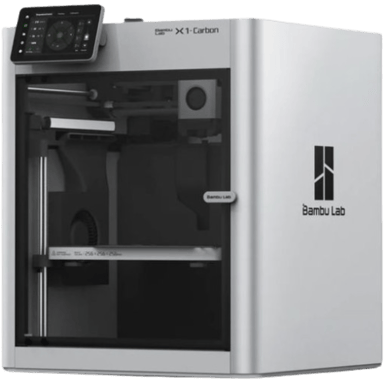

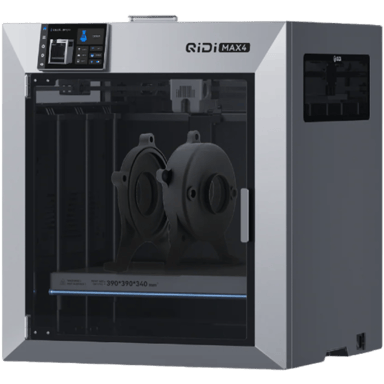
 Recaptor
 0
Cartling
0
Cartling